The CBR Learning Cycle: From Research Question to Reflection
Abstract: The acquisition of scientific knowledge is a continuous, iterative process. The Create Better Researchers (CBR) initiative introduces a five-stage phase model that strengthens the personal judgment of early-career researchers and methodologically secures scientific work.
Key Takeaways (Important Facts)
- The CBR learning cycle links research questions, evidence verification, peer feedback, manuscript revision, and reflection.
- The researcher’s own scientific judgment (“Your judgement”) forms the central core element.
- Iterative feedback loops prevent premature or inadequately supported research conclusions.
- Strengthening sustainable research capabilities beyond the publication of individual articles.
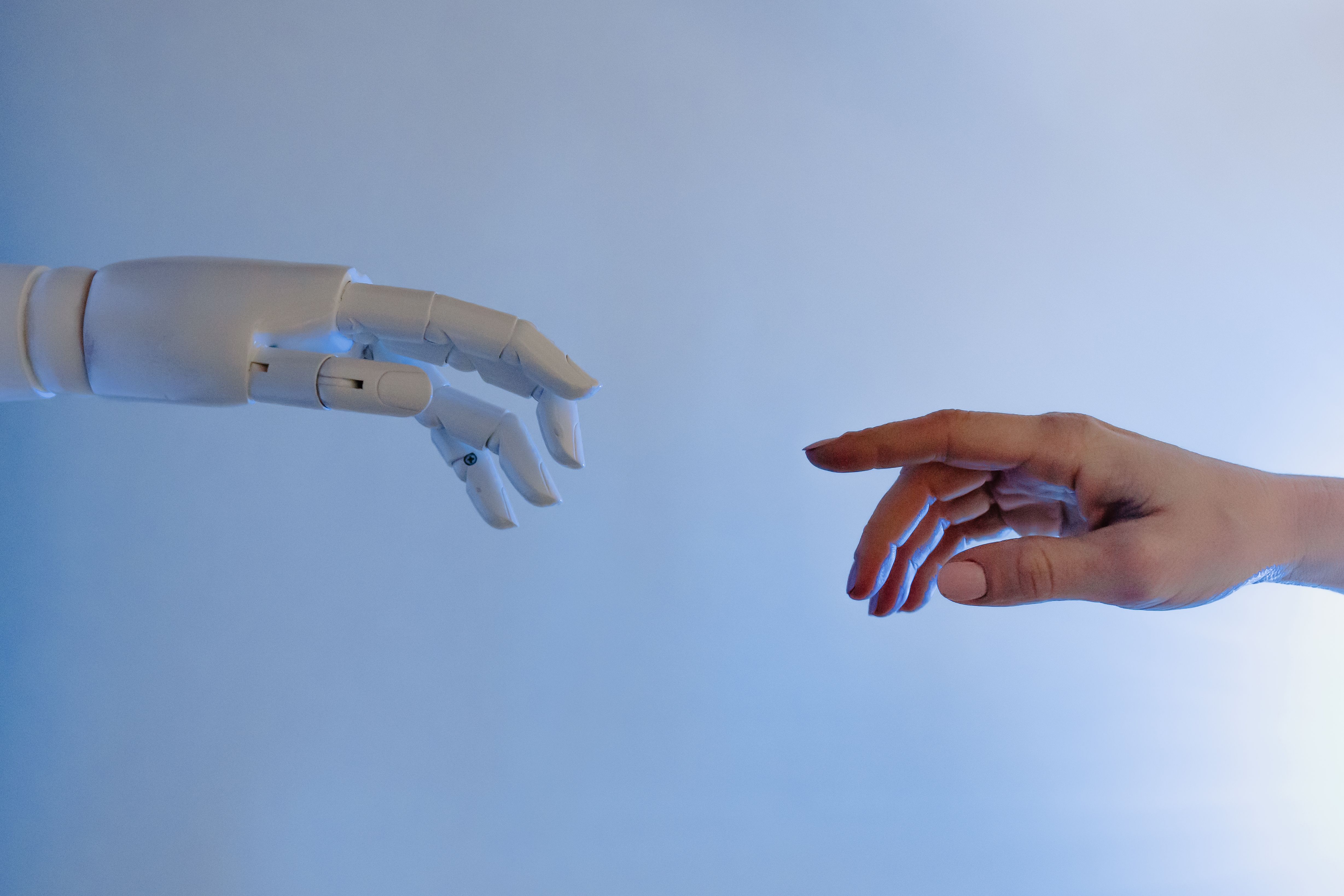
Illustrated by Tara Winstead
The Five-Stage Phase Model of Scientific Development
In academic practice within the field of Digital & AI Management, early-career researchers often face the challenge of structuring complex issues in a methodologically sound manner. The phase model developed by CBR addresses precisely this need and offers guidance along the entire development process.
01. Question (The Scientific Research Question)
Every well-founded research paper begins with a clear, precise question. CBR supports researchers in developing precisely formulated and testable scientific hypotheses or research questions from vague phenomena.
02. Evidence (Evidence-Based Methodology)
The second step involves collecting and analyzing empirical or theoretical evidence. Data and literature must be critically examined and systematically processed.
03. Feedback (Constructive Peer Review)
A central milestone in the cycle is scientific exchange. Constructive feedback from the community helps identify methodological weaknesses early on.
04. Revision (Targeted Refinement)
Feedback received is analyzed and systematically incorporated into the draft manuscript to sharpen argumentation and findings.
05. Reflection (Critical Self-Reflection)
The cycle concludes with a reflection on one’s own learning and discovery process. This sustainably secures the insights gained for future research endeavors.
Frequently Asked Questions (FAQ)
What is at the center of the CBR learning cycle?
Why is the “Question” phase so essential?
How does CBR define high-quality feedback?
Is the learning cycle intended as a one-time linear process?
What is the significance of the evidence phase?
How does the “Revision” phase assist researchers?
What distinguishes CBR from simple editing services?
How do early-career scholars benefit from reflection?
Who oversees this qualification process?
Where can in-depth information about the phase model be found?
Source Note: Editorial summary based on the guidelines of the initiative CBR International.