EmpCo Directive in the UWG: System Analysis of Logistic Market Consequences
Abstract
The alignment of European regulatory requirements with national legislative frameworks necessitates precise legal transitional arrangements to avert market disruptions and resource losses within the retail sector. This expert analysis, compiled by the E-Commerce Institut Köln, examines the regulatory transformation of the European EmpCo Directive into the German Act Against Unfair Competition (UWG). The focus is directed at the systemic discrepancies between primary sustainability objectives and the actual operational consequences within the internal market. The investigation evaluates the absence of legally binding sell-off periods, the resulting macroeconomic risk regarding the destruction of non-compliant inventory, and the specific role of private law enforcement within unfair competition frameworks in Germany.
Structural Mechanisms and the Dynamics of Competition Law Enforcement
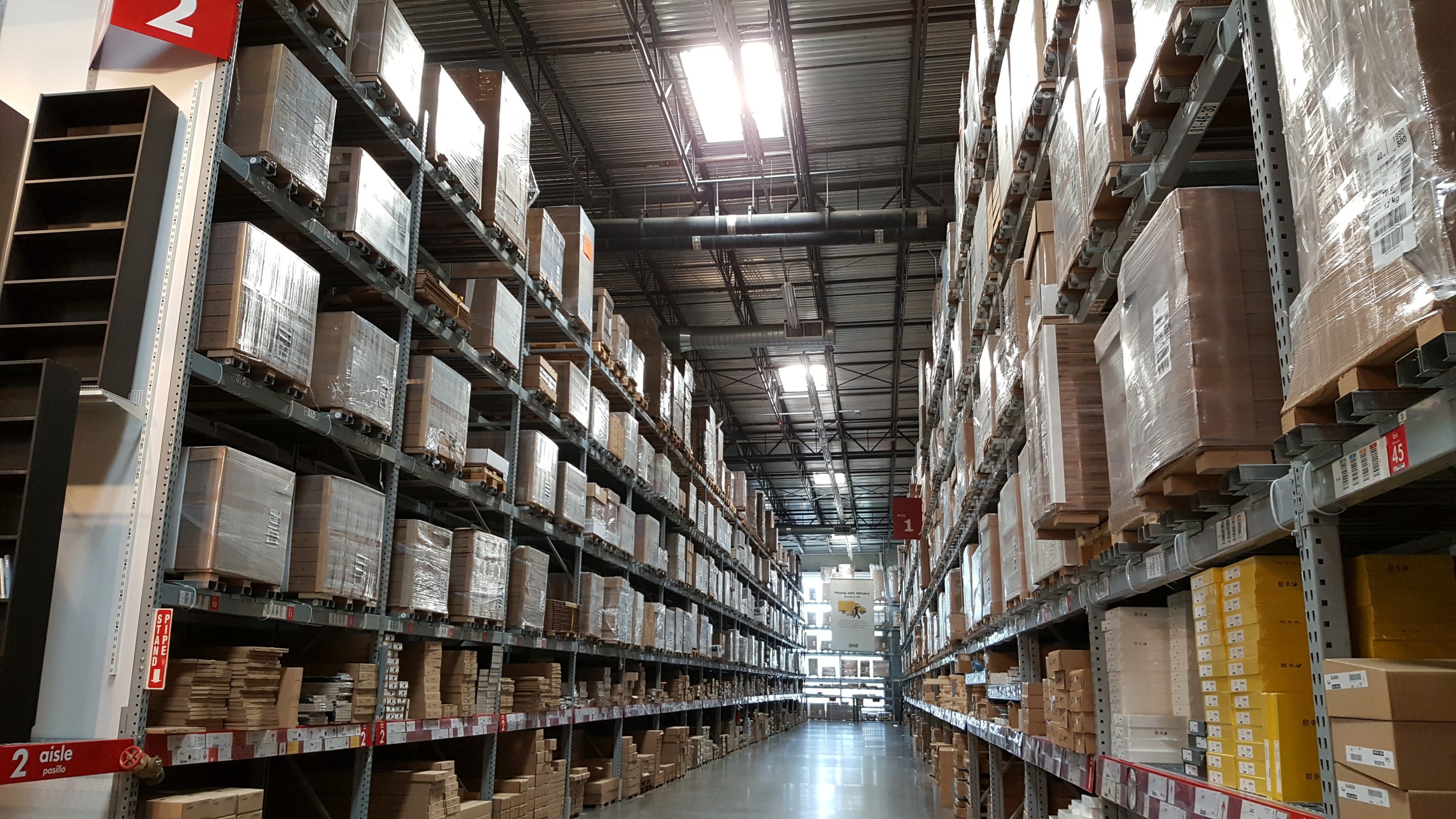
The integration of the European EmpCo Directive into the German Act Against Unfair Competition (UWG) establishes restrictive legal standards for the declaration of environmental assertions and certifications in commercial contexts. The fundamental operational dilemma arises from the rigid enforcement of the deadline on September 27, 2026. Because the legislature has failed to provide legally binding sell-off regulations or chronological transition windows for previously manufactured and stored product ranges, significant volumes of physically flawless goods and packaging materials abruptly lose their legal compliance solely due to declaratory non-conformity.
Scientific evaluation of this regulatory process reveals a profound discrepancy between European intent and national systemic reality. While the EU Commission sought to encourage national enforcement authorities toward proportional enforcement and prevent widespread destruction of goods by publishing a “Common Understanding” via the European CPC network, this administrative measure exerts no steering influence on the German market. Unfair competition oversight in Germany is primarily executed under civil law by private, qualified associations and trade organizations via warning letters and injunctions. Because these actors are not legally bound by administrative discretionary guidelines, the risk of legal action for retailers remains completely unabated. To safeguard against these risks, market participants are frequently left with the physical disposal of affected stocks as the only logical recourse.
| Regulatory Indicator | Prescribed Steering Approach | Systemic Barrier in Germany | Resulting Market Consequence |
|---|---|---|---|
| UWG Amendment (EmpCo) | Restriction of non-compliant environmental claims from September 27, 2026 | Deficit of legally anchored sell-off periods | Immediate revocation of legal marketability for inventory stocks |
| CPC Common Understanding | Administrative focus on the principle of proportionality | Private collective action mechanisms in civil law | Non-binding nature for private claimants; continuation of competition law litigation risks |
Logistical Implications and Optimization Potentials
To prevent impending logistical inefficiencies—specifically the irreversible disposal of perfectly usable inventory worth millions—a calibration of the regulatory framework is necessary. The theoretically anchored sustainability targets of reducing environmental footprints are effectively counteracted by the forced destruction process. Scientifically sound corrective approaches require the retrospective integration of explicit, legally binding transitional rules. Only by providing explicit statutory authorization for the gradual depletion of existing stocks can regulatory compliance be aligned with ecological resource efficiency, ensuring sustained legal certainty within the internal market.
Frequently Asked Questions (FAQ)
1. What concrete consequences does the EmpCo Directive have for German retail starting from the deadline?
Beginning September 27, 2026, all consumer goods and packaging whose environmental assertions or sustainability certificates fail to meet the revised legal stipulations will lose their commercial marketability. Due to the lack of sell-off provisions, these stocks may no longer be offered on the market past this date.
2. Why does the EU’s “Common Understanding” fail to protect German retailers from warning letters?
The document issued by the European Commission represents an explicitly non-binding interpretative aid aimed primarily at state enforcement authorities. In German competition law, enforcement is executed via civil law by private actors and qualified trade associations, which are not legally bound by these administrative guidelines of the EU.
3. In what ways do the consequences of the directive contradict its actual objectives?
While the directive intends to intensify environmental protection and reinforce sustainability in trade, the absence of transitional provisions achieves the exact opposite. To avoid competition law sanctions and injunctions, retailers are forced to physically destroy flawless goods and packaging on a massive scale, resulting in severe resource waste.
4. Which regulatory areas are primarily affected by the new rules of the EmpCo Directive?
The new legislative rules primarily concern commercial communication utilizing environmental statements (green claims) as well as the application and presentation of sustainability seals on products and packaging across all inventories.
5. Into which national law were the EU mandates integrated?
The European mandates of the directive were integrated into the national Act Against Unfair Competition (UWG) in Germany, classifying violations directly as competitive breaches subject to legal sanctions.
6. What is the scale of the projected economic damages for the retail sector?
Because countless previously manufactured goods lying in distribution warehouses suddenly become unsellable, the industry anticipates severe damages and financial losses reaching millions of euros.
7. What central demands does the industry raise to avert the destruction of goods?
The German Retail Federation (HDE) demands a decisive reassessment from the European Commission, along with the retroactive addition of practical, legally binding transition and sell-off periods for existing warehouse inventory.
8. Who executes competition law enforcement within the German market?
In contrast to other European countries, compliance with competition frameworks in Germany is predominantly monitored and legally enforced via civil litigation by private, authorized entities such as trade associations or consumer protection groups.